How to Choose Handmade Bricks with Character
Handmade brick is shaped by the clay, moulding method and firing process used to make it. Scotch kilns and locally sourced Chiltern clay create subtle variations in colour, texture, edges and density, giving each brick a distinctive character that suits heritage restoration, thoughtful new builds and enduring architectural design.
What makes a handmade brick different?
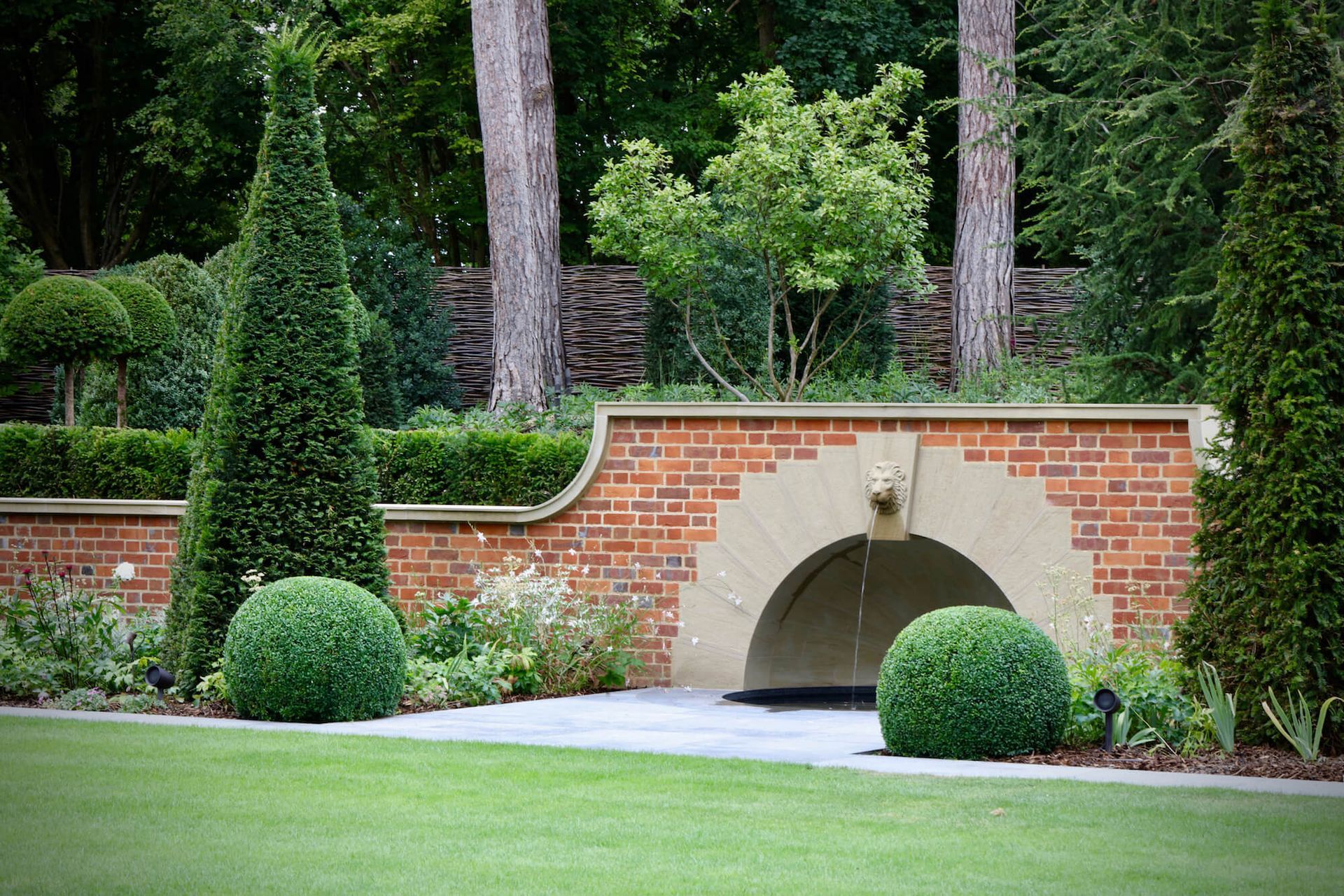
Unlike machine-made brick, a handmade brick is formed individually, often by throwing clay into a sanded mould. This leaves gentle irregularities: soft arrises, variable faces and small shifts in size that catch light across a wall.
These qualities are not defects. They are evidence of the making process, creating masonry with depth and visual movement. For architects and homeowners, handmade bricks can help a new building sit naturally within an historic setting or give a contemporary design a more tactile finish.

How does Chiltern clay shape brick character?
Clay is the foundation of a brick’s appearance and performance. Chiltern clay contains a distinctive natural blend of minerals that can produce warm reds, russets, ochres and gentle flecking after firing. The final result depends on the clay seam, preparation, moisture and firing atmosphere.
Because natural clay varies, handmade bricks are best viewed as a considered family rather than identical units. Sample panels are essential when colour matching matters, particularly for extensions, conservation work or prominent elevations.
Explore Handmade Bricks to compare the qualities of traditionally formed brick, or review Technical Data Sheets for project-specific information.
Why do Scotch kilns create such variation?
A Scotch kiln is a traditional form of brick kiln in which fuel is burned within the firing chamber. Its atmosphere and heat distribution can vary across the kiln, exposing bricks to subtly different conditions.
This helps create the visual range associated with traditionally fired brick:
- Warm colour variation from brick to brick
- Occasional darker tones and natural flashes
- Distinctive textures shaped by heat and atmosphere
- A rich blend that avoids a manufactured, uniform appearance
The kiln therefore becomes part of the brick’s story. Every batch carries the marks of its clay, firing position and maker’s judgement.
Choosing the right handmade brick for your project
Start with the building’s context rather than a colour chart alone. Consider neighbouring brickwork, mortar colour, bond pattern, weather exposure and the distance from which the elevation will be viewed.
A practical selection process is:
- Order several samples or request a sample panel.
- View them outdoors in changing daylight.
- Compare texture and size as well as colour.
- Check compatibility with the proposed mortar and detailing.
- Confirm quantities, tolerances and technical requirements before ordering.
For a traditional appearance, pair characterful brick with appropriate pointing and carefully resolved corners, reveals and openings. For a more consistent finish, discuss sorting and laying guidance with the brickmaker.

Handmade or machine-made brick?
Handmade brick is usually the stronger choice when texture, variation and heritage character are priorities. Machine-made brick may suit projects requiring tighter dimensional consistency, a faster specification process or a more uniform facade. Compare both through Machine Made Bricks before deciding.
The right choice depends on the design intent, planning context, budget and construction team. A carefully selected handmade brick can provide long-term visual value, particularly where material authenticity matters.
The lasting value of traditional craft
Scotch kilns and Chiltern clay give handmade brick its character through natural variation and skilled making. For restoration, contextual new-builds and homes designed to age gracefully, that individuality can be a defining architectural quality.
Review samples, consult the technical information and consider the whole wall—not just one brick. Then choose the product that best balances appearance, performance and place. For further inspiration, browse the Portfolio or learn more through Our History .
Recent Posts