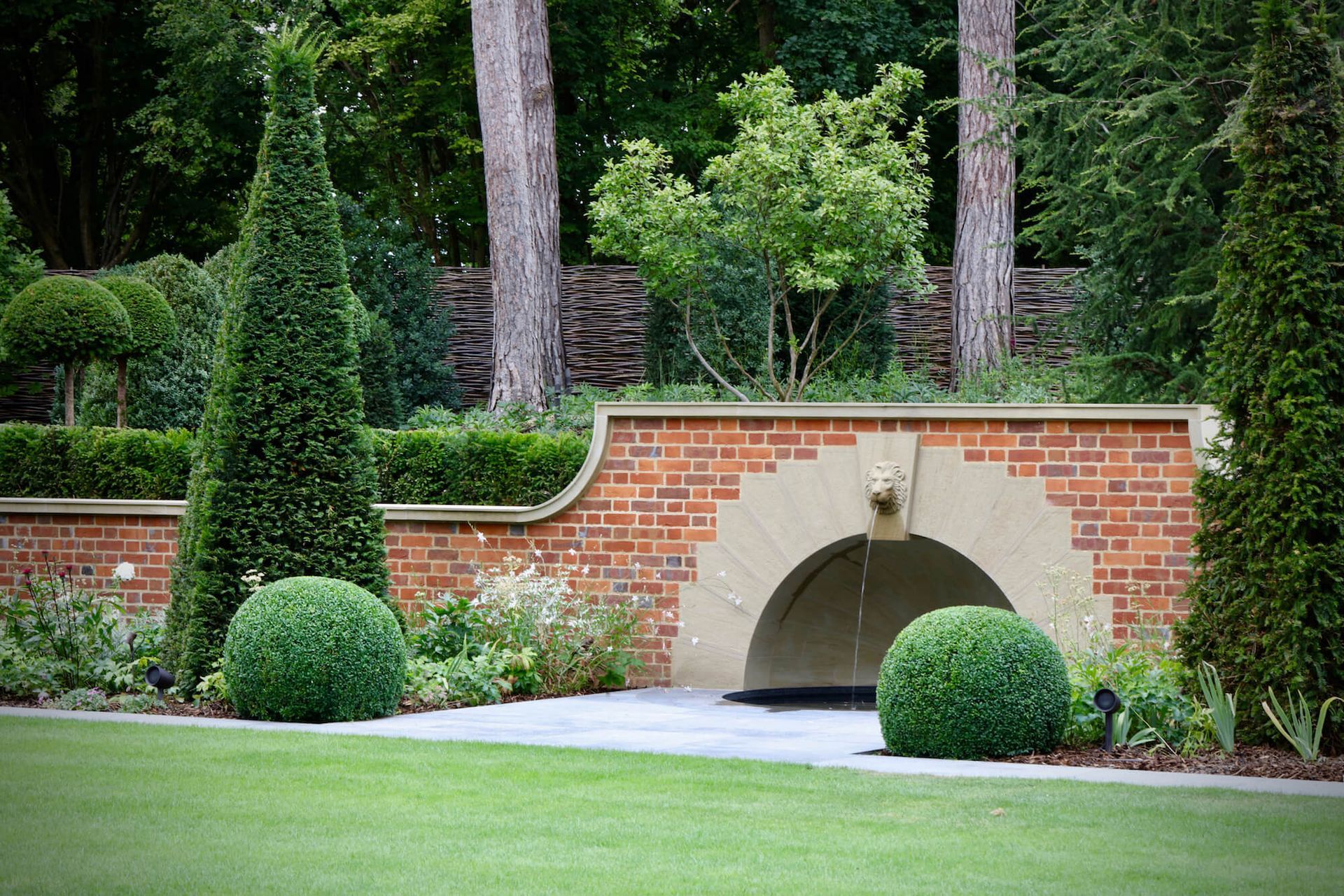
How to Choose Bricks for Heritage Restoration
Heritage restoration bricks should be chosen by comparing the original masonry’s colour, size, texture, firing character and weathering, then pairing them with a compatible mortar. The aim is not a perfectly uniform finish, but a sympathetic repair that respects the building’s age, movement and moisture behaviour.

What should you assess before choosing heritage restoration bricks?
Begin with the building rather than a catalogue. Record the following from several locations, because older elevations often contain bricks from different production runs:
- Brick length, width, depth and bond pattern
- Colour range, including darker ends and pale faces
- Surface texture, inclusions, pits and tooling marks
- Hardness, porosity and signs of frost damage
- Existing mortar colour, joint profile and condition
A small sample panel is essential. Compare potential bricks in natural light, at the intended distance and beside weathered originals. A single loose brick can be misleading; an elevation reveals the rhythm and variation that a successful repair must preserve.
For more background on traditional production, explore the Handmade Bricks range and our Machine Made Bricks information.
How do you match brick colour and texture?
Colour matching is about range, not an exact isolated shade. Heritage walls may include reds, oranges, buffs, purples and smoky tones created by changing kiln temperatures, fuel and position within the kiln. New bricks that are too consistent can look conspicuously modern.
Texture matters just as much. Handmade bricks may show soft edges, finger marks and a gently irregular face, while machine-made bricks can offer sharper dimensions and more consistent surfaces. Choose the character that belongs to the original wall, not simply the most attractive product.
Request physical samples or a trial panel before ordering. Assess them when dry and damp, since moisture can alter apparent colour. If the project calls for a strongly traditional appearance, compare Woodfired Bricks , whose firing can produce natural variation and distinctive surface marks.

Why is mortar compatibility so important?
Mortar is part of the wall’s performance, not just its appearance. In many historic buildings, a lime-based mortar is softer and more permeable than the brick. This allows small movements and moisture to escape through the joints rather than forcing damage into the masonry.
A hard, cement-rich mortar can trap moisture, damage softer brick faces and make future maintenance more difficult. Match the existing mortar’s:
- Binder type and relative strength
- Aggregate colour, size and texture
- Joint width, profile and finish
- Permeability and curing behaviour
Testing should be led by a conservation professional where the building is listed, historically significant or exposed to severe weather. Avoid assuming that a visually similar mortar is technically suitable.
A practical selection checklist
Before placing an order, confirm that the proposed brick and mortar:
- Match the original dimensions and bond.
- Provide a natural spread of colour and texture.
- Have suitable absorption, strength and frost resistance.
- Are supported by technical data and sample testing.
- Can be laid with joints that replicate the historic work.
Review relevant Technical Data Sheets , then document the approved sample panel for the contractor and future repair work. Where sourcing or specification is uncertain, contact the team with photographs, measurements and project context.
The conservation principle
The best heritage restoration bricks are those that belong visually and technically to the building. Prioritise compatibility over novelty: measure carefully, study the full wall, test samples and select a mortar that supports the masonry’s natural movement and breathability.
This approach helps architects, conservation specialists and builders create repairs that settle into their surroundings rather than announcing themselves. Use a sample panel to make the final decision, record the chosen materials, and refer back to that evidence throughout construction.
Recent Posts