Brick EPDs: understanding the environmental impact of our materials
| Project | The Apex, the first building to complete at Tribeca, King's Cross, London |
| Developer | Reef Group |
| Architect | Bennetts Associates |
| Main contractor | VolkerFitzpatrick |
| Blockwork subcontractor | Turick |
| Earth block consultant | Rammed Earth Consulting |
| Structural engineer | GD Partnership |
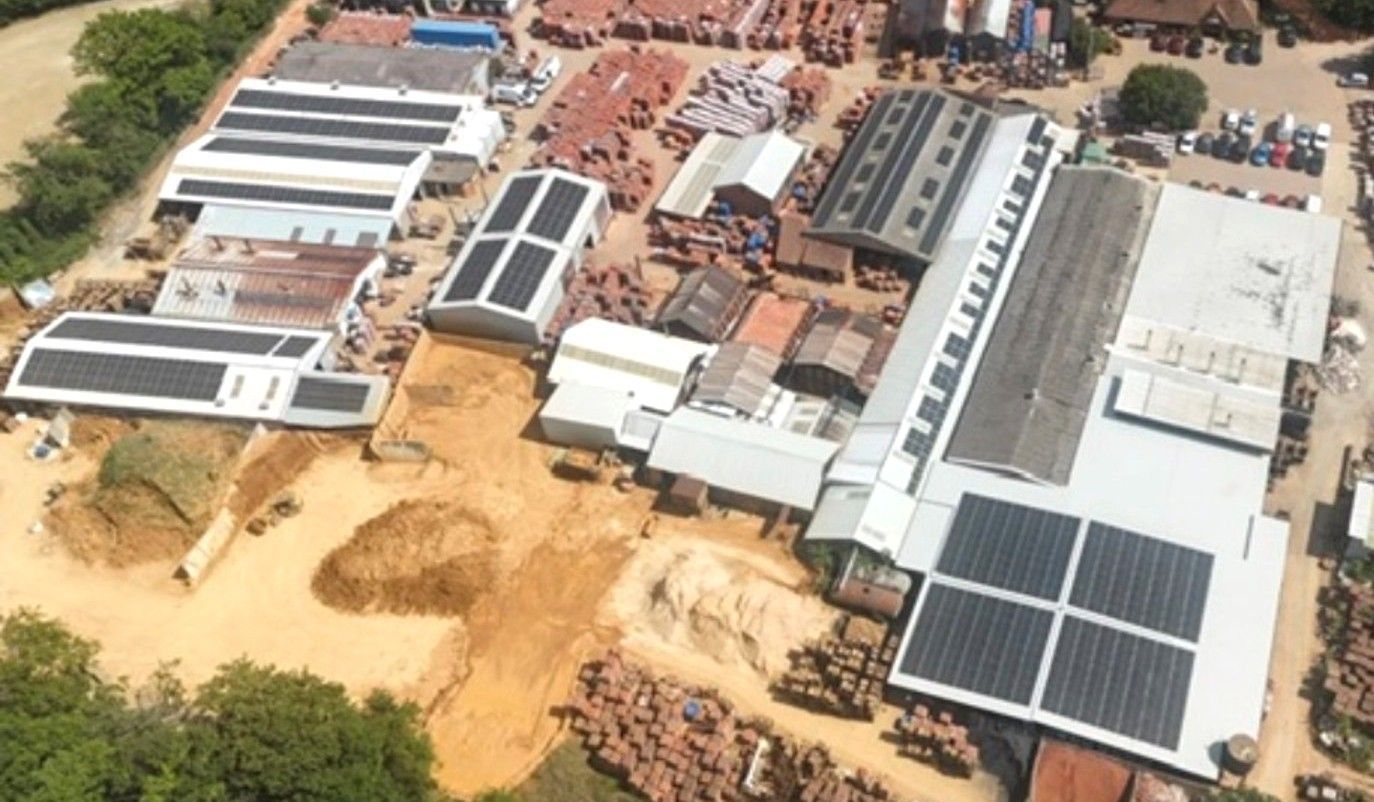
| H.G. Matthews' role | Turning the site's excavated subsoil into unfired earth blocks at our family brickworks in Bellingdon and delivering them back to site |
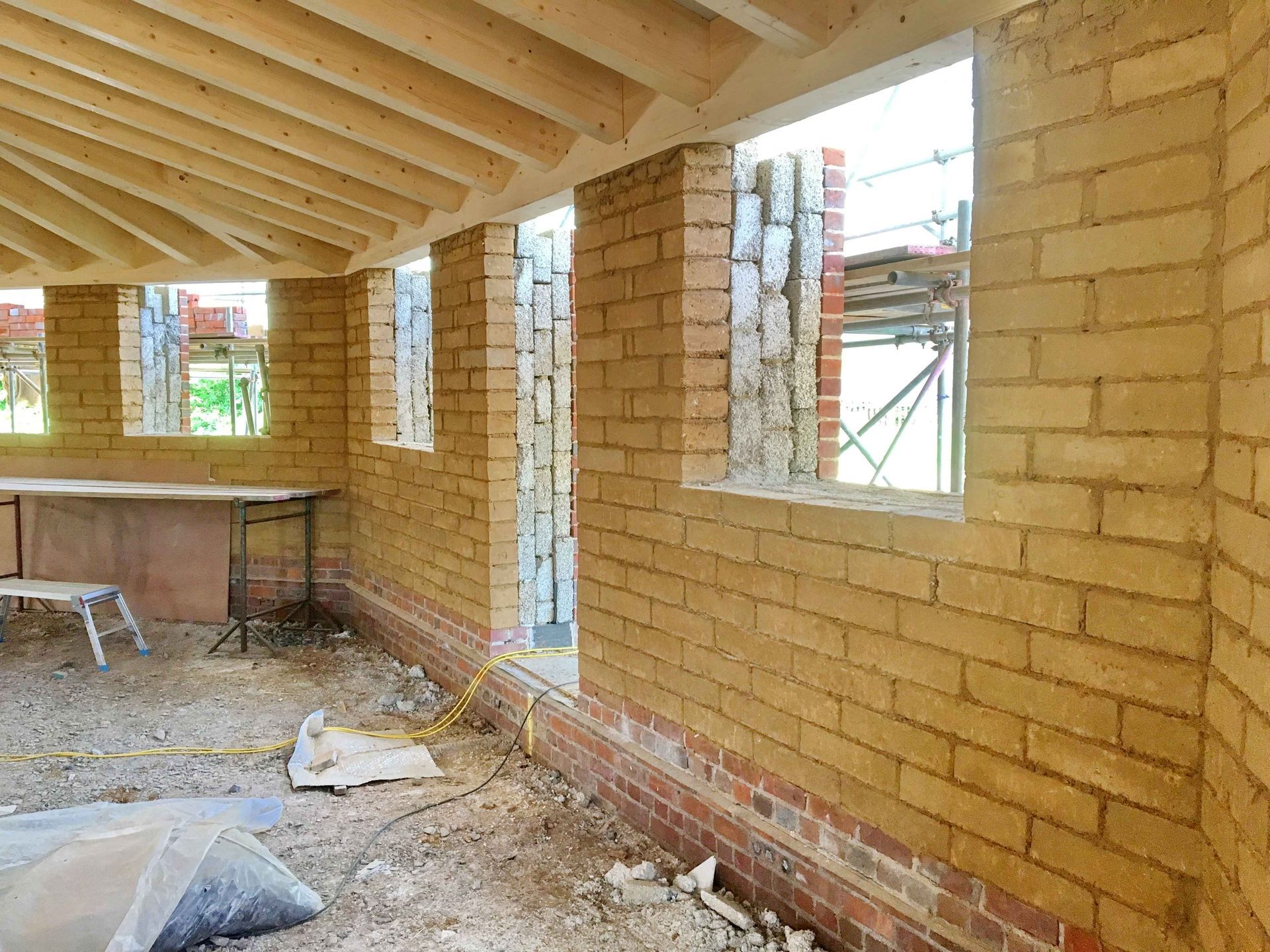
| Application | Non-loadbearing lining to the 5.9 m high basement perimeter walls |
| Block strength | Around 6.5 N/mm² (50% subsoil, 50% sand, with straw) |
| Quantity | 60,000 blocks covering 600m2 |
| Carbon result (as reported) | VolkerFitzpatrick reports an 84% reduction in carbon emissions and 93m³ of waste saved for the basement perimeter walls, compared to traditional materials |
How independently verified environmental data helps architects and specifiers make informed choices about our fired bricks and STROCKS™ unfired earth blocks.
Choosing a building material means balancing appearance, performance, durability and environmental impact. At H.G. Matthews, we believe the information behind that decision should be as carefully considered as the material itself.
Our independently verified Environmental Product Declarations, or EPDs, provide detailed environmental information for three product groups: oil/anthracite-fired bricks, wood-fired bricks, and STROCKS™ unfired earth blocks. They give architects, specifiers and project teams a clearer understanding of our materials and the effects of the different processes used to make them.
For a family brickmaker with a long history of working with clay, this is a natural progression: bringing traditional knowledge together with transparent, product-specific data.
Moving beyond industry averages
Generic environmental data can provide a useful starting point, but an industry average cannot fully represent the materials, energy sources and manufacturing methods used by an individual producer.
Our EPDs move beyond that broad picture. They document the environmental impacts of our own products, giving project teams independently verified information to use when assessing materials and preparing life-cycle calculations.
This matters because manufacturing choices make a difference. Firing bricks with oil and anthracite, using wood-fired kilns, and making unfired earth blocks involve different processes and energy requirements. Product-specific data helps make those differences visible.
Three product groups, three manufacturing approaches
Oil/anthracite-fired bricks
Clay bricks combine lasting visual character with strength, thermal mass and natural fire resistance. They serve a wide range of building applications, from traditional architecture to contemporary construction.
Our oil/anthracite-fired brick EPD provides environmental data for this manufacturing route, allowing its impacts to be assessed alongside the material’s practical and aesthetic qualities.
Wood-fired bricks
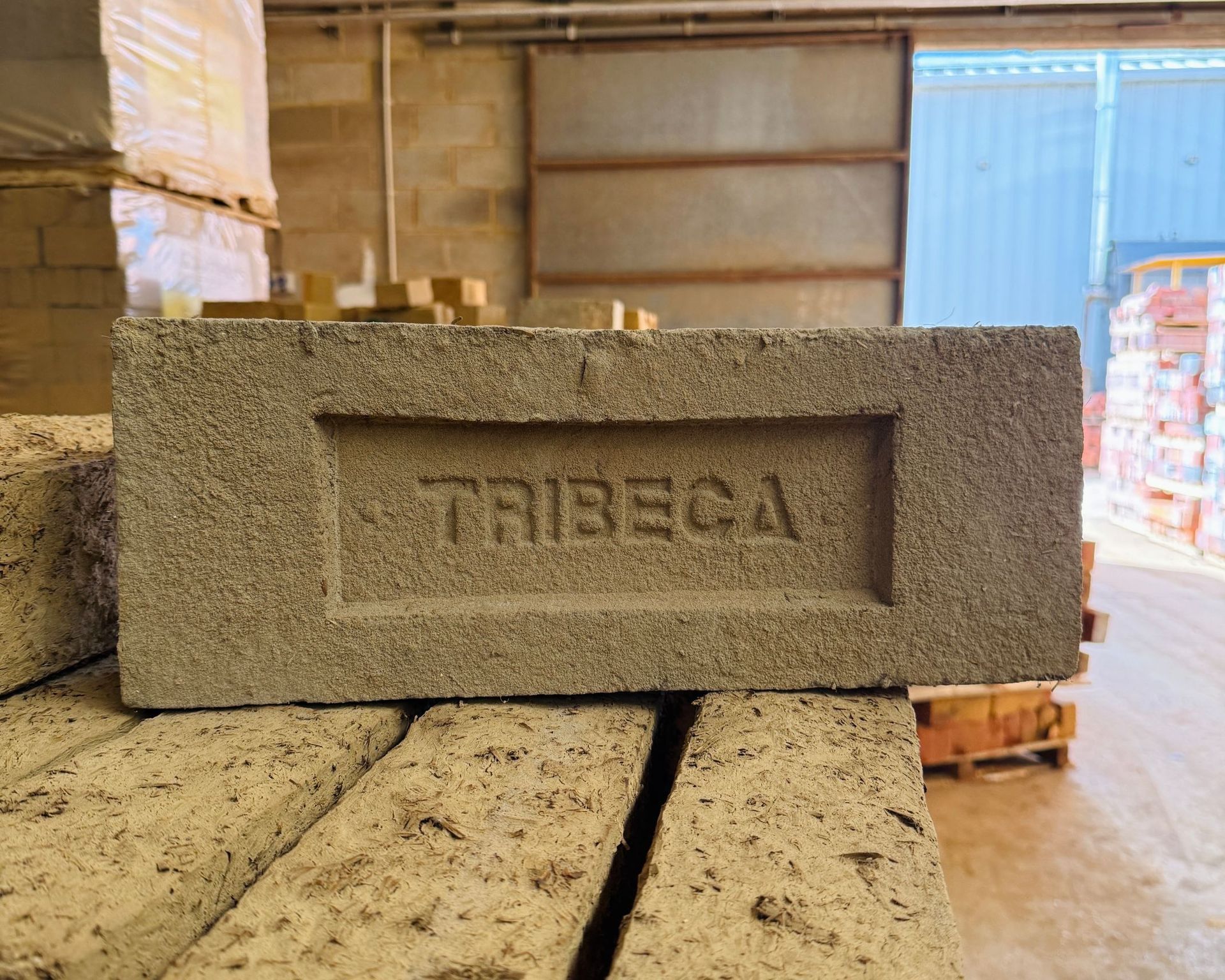
Wood firing has a long place in British brickmaking. Before the railways made coal more widely available, many areas depended on wood to fire their bricks. The process creates the varied tones and natural glazes associated with many historic buildings.
Our wood-fired bricks continue that tradition, offering character for conservation projects and new buildings alike. All the wood used in our kilns comes from sustainably managed woodland in the UK, and the EPD documents the environmental impacts associated with this production method.
STROCKS™ unfired earth blocks
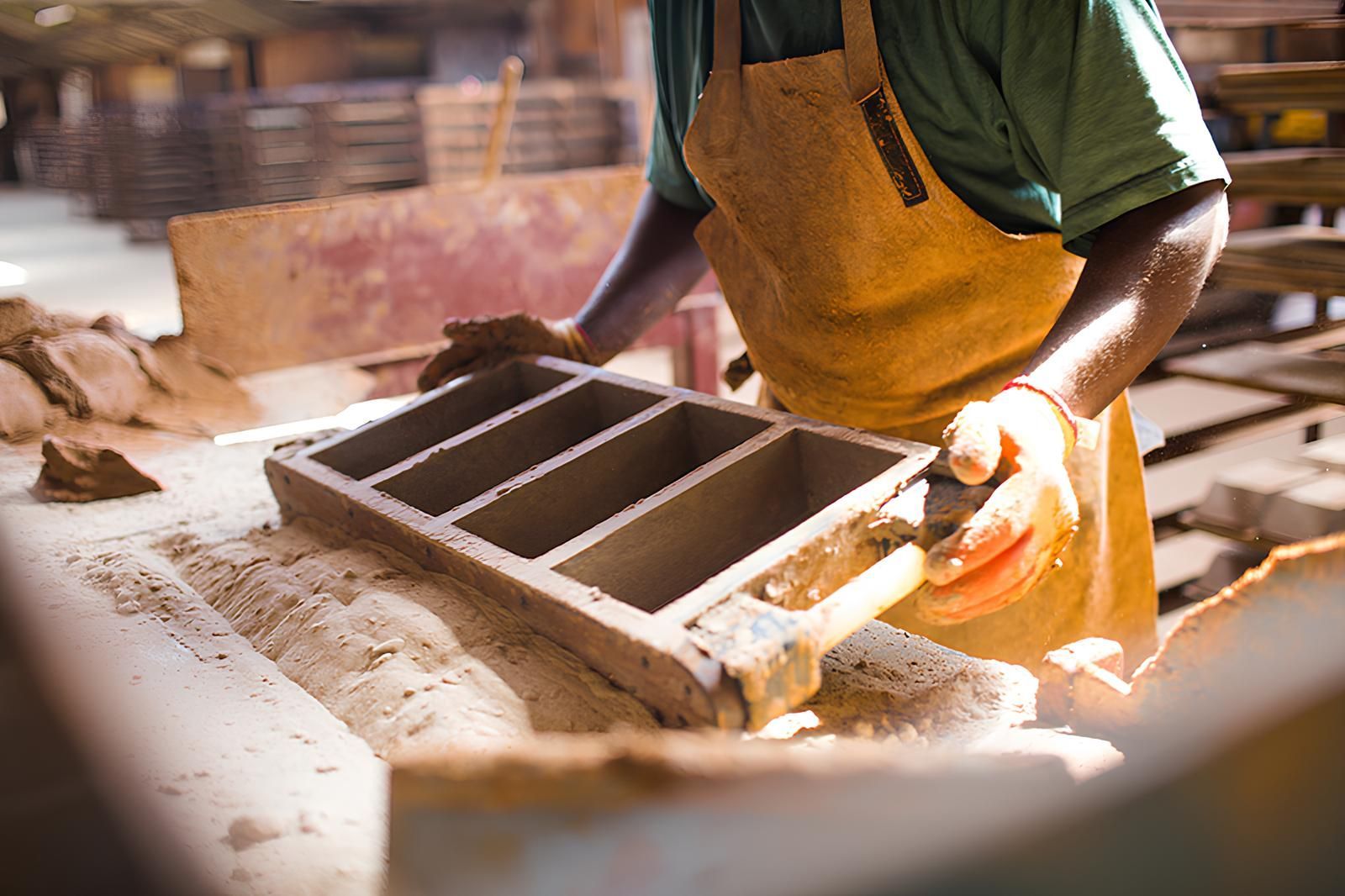
STROCKS™ take a different approach. Made from clay-rich earth mixed with chopped straw, they are left unfired, avoiding the kiln-firing stage altogether.
Alongside their environmental profile, these earth blocks offer thermal mass and moisture-buffering properties. Their ability to absorb and release heat and moisture can contribute to more stable internal conditions as part of a considered building design.
What the EPDs tell you
An EPD is a structured declaration of a product’s environmental impacts, based on life-cycle assessment. It provides evidence that project teams can examine rather than relying on a general sustainability claim.
Our three EPDs report impacts per tonne of product and declare a reference service life of 150 years. Their scope covers raw materials and manufacturing, transport to site, end-of-life processes and potential benefits beyond the product’s life cycle, reported separately in Module D.
They also make modelling assumptions visible. These include transport distances and end-of-life scenarios, helping users understand the basis of the results and assess their relevance to a particular project.
Carbon is an important part of that information, but it is not the only measure. The declarations also report other environmental indicators, giving specifiers a broader picture of each product’s impacts.
Understanding the carbon figures
In its analysis of our EPD data,
2050 Materials calculated the following indicative embodied-carbon figures per square metre of wall:
| Product | Embodied carbon reported by 2050 Materials |
|---|---|
| Oil/anthracite-fired bricks | Approximately 98.5 kg CO₂e/m² |
| Wood-fired bricks | Approximately 18.8 kg CO₂e/m² |
| STROCKS™ unfired earth blocks | Approximately 15.2 kg CO₂e/m² |
2050 Materials describes these figures as covering life-cycle stages A1–C4, using the number and weight of units per square metre in its calculations.
The figures illustrate how manufacturing methods can influence embodied carbon, particularly when changing the firing fuel or removing the firing stage.
They should also be read in context. These are different products with different applications, and the figures are not a substitute for assessing the complete wall construction and performance requirements of a particular project.
Better information for material decisions
For architects, engineers and developers, access to clear environmental data makes it easier to examine material choices, contribute to whole-life carbon assessments and explain the basis of a specification.
Our EPDs help bring that evidence into the conversation alongside appearance, technical performance and longevity. Through 2050 Materials, project teams can explore our product information and access the underlying environmental declarations.
We see transparency as part of responsible manufacturing: understanding how our materials are made, measuring their impacts and making that information available to the people who use them.
Get in touch
To explore the data, visit our product listings on the 2050 Materials platform. To discuss which material could suit your project, get in touch with the H.G. Matthews team.
Contact us today:
Phone: 01494 758 212
Email: info@hgmatthews.com
Sources
This blog post has been adapted with permission from the original post on the 2050 Materials website:
- H.G. Matthews Brings Transparency to Brickmaking, 2050 Materials, January 14 2026
Recent Posts