Beyond the EPD: how we’re continuing to improve at H.G. Matthews
| Project | The Apex, the first building to complete at Tribeca, King's Cross, London |
| Developer | Reef Group |
| Architect | Bennetts Associates |
| Main contractor | VolkerFitzpatrick |
| Blockwork subcontractor | Turick |
| Earth block consultant | Rammed Earth Consulting |
| Structural engineer | GD Partnership |
| H.G. Matthews' role | Turning the site's excavated subsoil into unfired earth blocks at our family brickworks in Bellingdon and delivering them back to site |
| Application | Non-loadbearing lining to the 5.9 m high basement perimeter walls |
| Block strength | Around 6.5 N/mm² (50% subsoil, 50% sand, with straw) |
| Quantity | 60,000 blocks covering 600m2 |
| Carbon result (as reported) | VolkerFitzpatrick reports an 84% reduction in carbon emissions and 93m³ of waste saved for the basement perimeter walls, compared to traditional materials |
How solar power, biomass heating and heat storage work together at our family brickworks, and why measuring their impact matters as much as making the changes.
Our 300kW solar installation at The Brickworks in Bellingdon forms part of our approach to improving how we make our products. Alongside our biomass heating system, it gives us another way to make better use of energy and reduce our reliance on other fuels.
But the story goes beyond generating our own electricity. It is also about measuring progress and making sure the environmental information available to architects and specifiers keeps pace with the work happening on site.
An EPD is a starting point, not a finishing line
An Environmental Product Declaration, or EPD, provides independently verified information about a product’s environmental performance. It is based on data from a particular period, reflecting the materials, energy and manufacturing processes used at that time.
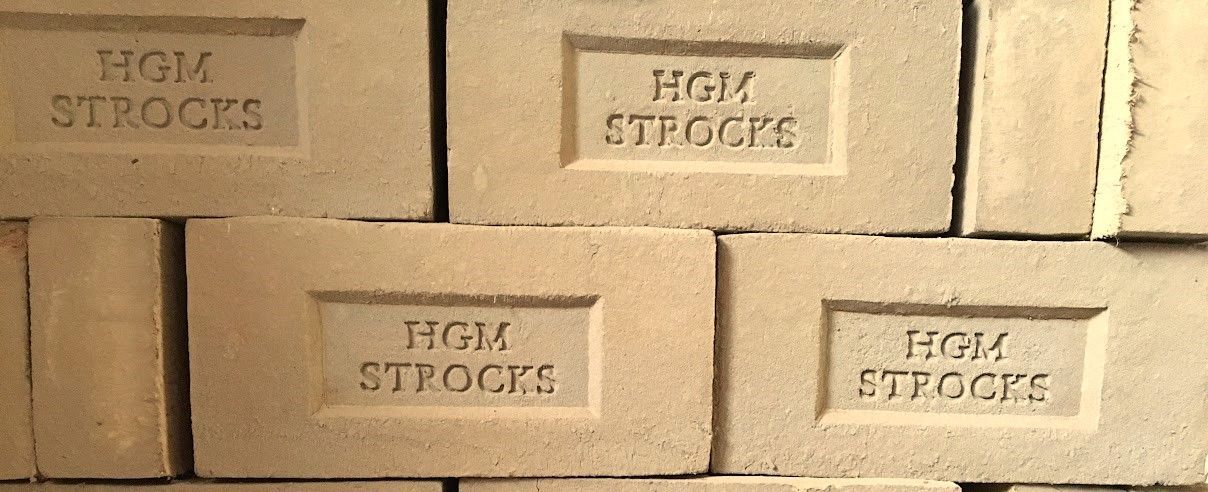
We have three third-party verified EPDs available through 2050 Materials, covering STROCKS™, woodfired bricks, and handmade and machine-made bricks. These give project teams a documented basis for assessing the environmental impacts of our products.
Publishing those declarations does not mean the work is complete. As we improve our processes, we need to collect the evidence that allows those changes to be assessed and reflected in our EPDs.
Our solar installation is a good example. A full year of generation and meter data is needed to assess the system’s actual contribution and determine whether it supports lower reported embodied carbon in an updated EPD.
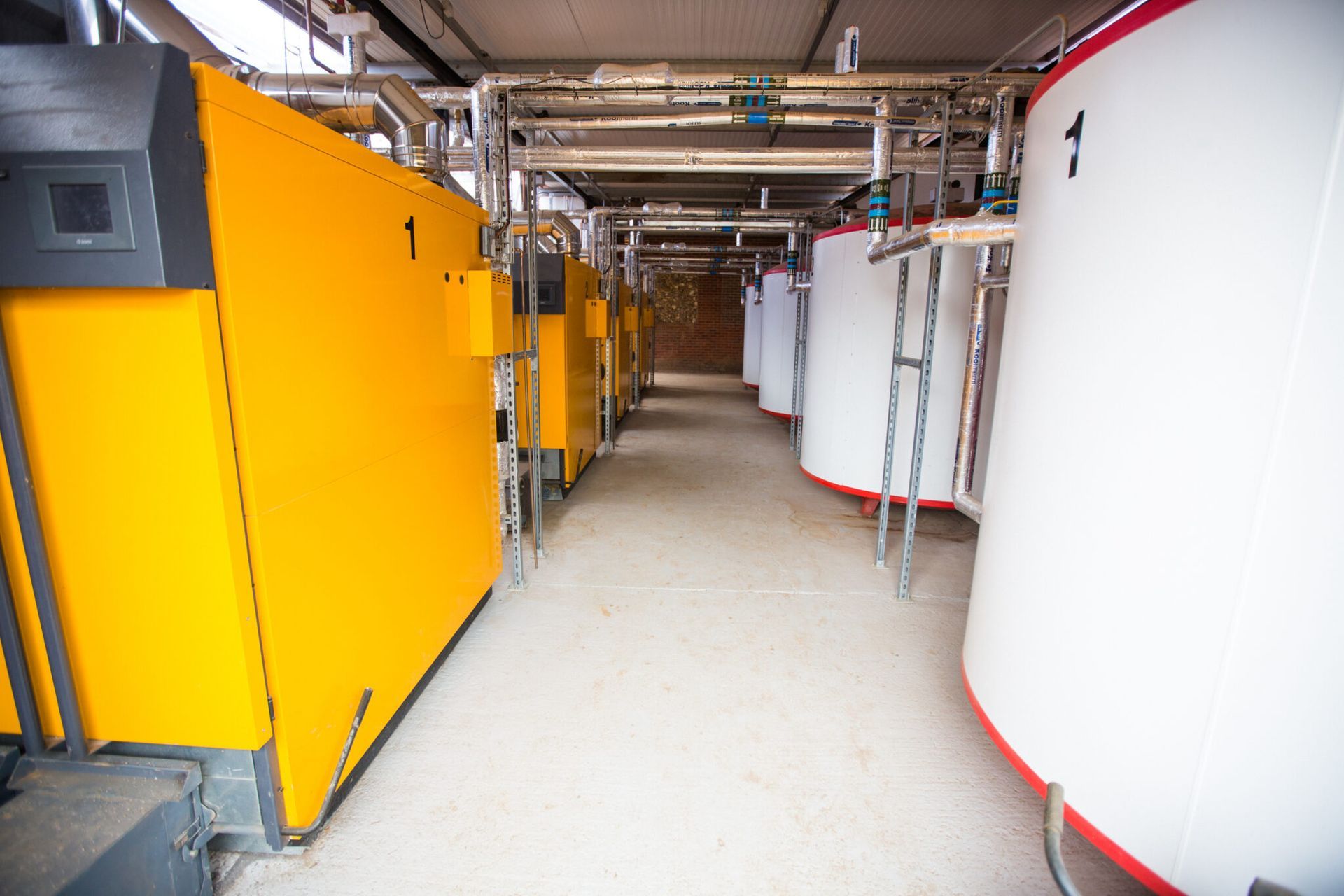
Biomass boilers used for drying bricks and STROCKS™ at the brickworks.
Making more use of the energy we generate
The 300kW solar array is only one part of the system. Just as important is how we use the electricity it produces.
At the brickworks, surplus solar electricity is directed into buffer tanks connected to our biomass boiler network. These tanks store energy as heat, which can then be used for brick drying when it is needed. Rather than relying on batteries to store that surplus electricity, we can put it to work in a process that already needs a dependable supply of heat.
This helps connect two different patterns of demand and supply. Solar generation is strongest during the day, while drying continues around the clock. Storing heat gives us a way to retain more of that daytime energy for use when it is needed.
It also helps reduce the amount of wood needed to meet our drying requirements. The aim is to make the solar installation and biomass system work together, getting more useful heat from the resources available to us.
Turning operational improvements into verified data
For architects, contractors and specifiers, the value of these changes lies in more than the equipment installed on site. It lies in understanding what those changes mean for the environmental impact of the finished product.
Manufacturing energy contributes to embodied carbon. Reducing fuel consumption, using renewable electricity and making better use of heat can therefore improve a product’s environmental performance. The extent of that improvement needs to be established through measured data and the relevant EPD calculations.
Operational data from our solar and biomass system provides the evidence needed to assess its contribution to our products’ environmental performance.
The distinction matters: an investment in renewable energy is an action we can describe; its effect on our published product figures must be calculated and verified.
Part of a wider approach
The solar installation sits alongside other measures at The Brickworks:
- Around 25 acres of native broadleaf woodland have been planted on former clay extraction land.
- Approximately one million litres of rainwater are harvested each year for use in production.
- The use of biomass energy saves around 30,000 litres of diesel per month.
These measures address different parts of the operation, from the land we work to the water and energy used in production. Together, they reflect an approach based on practical improvements, rather than treating any single project as the complete answer.
Solar generation and thermal storage form part of that work, helping us improve how the brickworks operates and providing results we can measure.
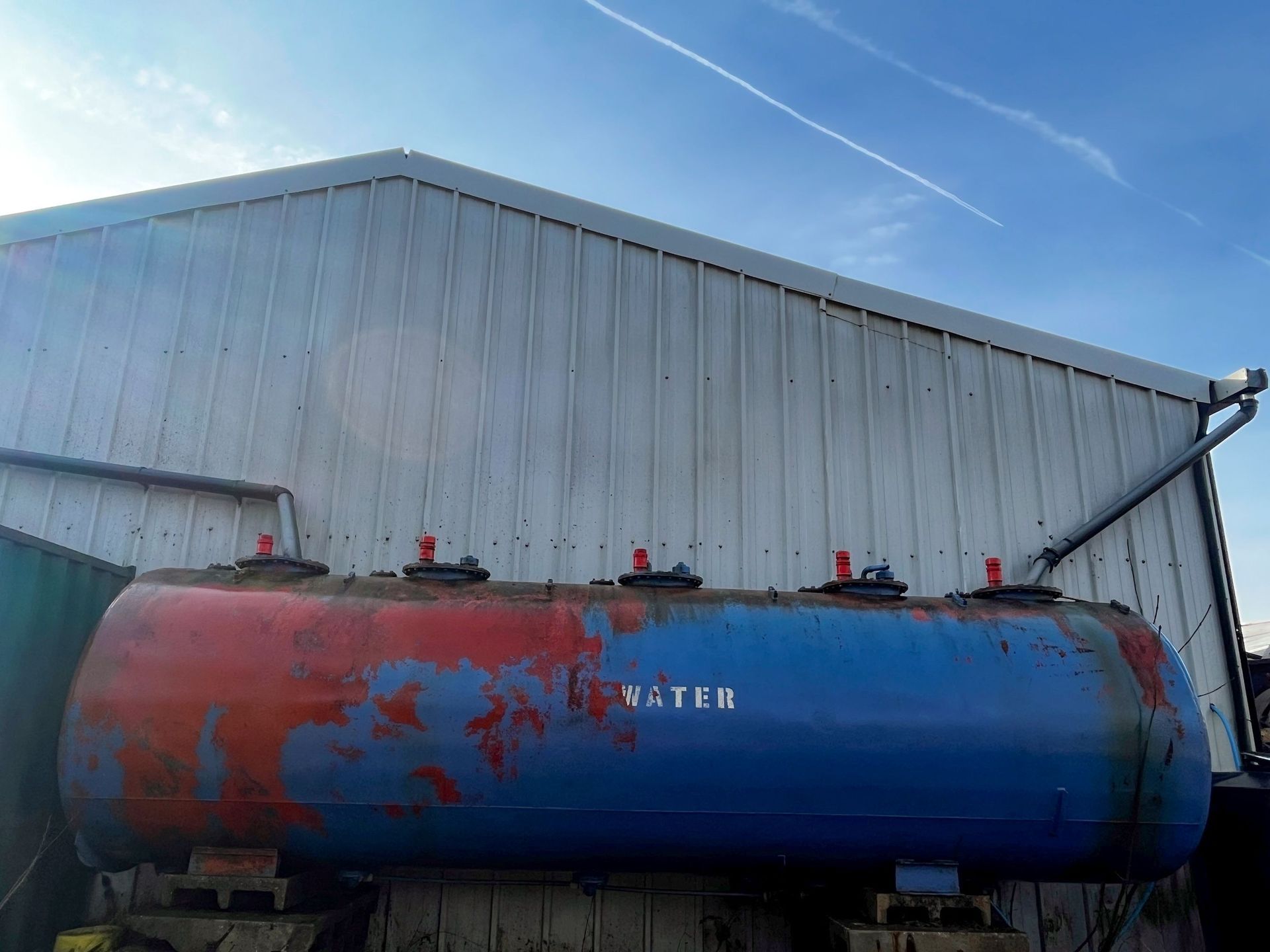
A rainwater harvesting tank at the brickworks.
Making environmental information easier to find
Environmental data needs to be accessible as well as verified.
Our product listings on 2050 Materials provide access to the EPDs for STROCKS™, woodfired bricks, and handmade and machine-made bricks. This allows architects, specifiers and contractors to move from product information to the supporting declaration without first having to request it from us.
For teams assessing materials during design and specification, that makes the information easier to find, review and use.
Measuring what matters
Our approach is to improve the operation, measure the results and use that evidence to inform our verified environmental declarations.
A full year of data from the solar installation and its integration with our biomass system provides the basis for assessing how those changes should be represented in our EPDs.
Publishing environmental data is an important part of that approach. Improving the processes behind it is equally important.
Explore our product listings and verified Environmental Product Declarations on 2050 Materials to find the information you need for your next project.
Get in touch
If you have any questions at all, whether about our bricks, our STROCKS™ , our sustainability efforts, or anything else, please get in touch and we will be happy to help.
Contact us today:
Phone: 01494 758 212
Email: info@hgmatthews.com
Sources
This blog post has been adapted with permission from the original post on the 2050 Materials website:
- H.G. Matthews: Beyond the EPD, 2050 Materials, August 17 2026
Recent Posts